


Fishpaper might not sound like a high-performance material, but in electrical insulation it plays a critical role. American Micro Industries works with advanced materials like fishpaper to support applications where reliability, safety, and precision are non-negotiable. This material is trusted across industries because it combines strength, flexibility, and consistent insulating performance. From small electronic elements to large industrial systems, fishpaper helps keep operations running safely and efficiently. It is especially valuable in applications where even minor electrical failures can lead to costly downtime or safety risks. Understanding how it works and where it fits can give engineers and manufacturers a clear advantage when selecting materials.
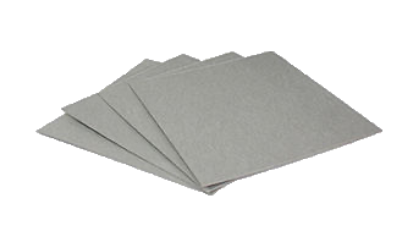
Fishpaper is a dense, fiber-based insulation material made from vulcanized cellulose. No one is quite sure how fishpaper got its unique name; it isn’t used to wrap fish, but its name may have originated from its appearance, which resembles the paper used to wrap fish. This process compresses and strengthens the fibers, creating a material that can withstand both electrical and mechanical stress. It is widely used to separate conductive components and prevent electrical failures in a variety of systems. Its composition also gives it a smooth surface and consistent thickness, which are important for precision applications.
Unlike rigid insulation materials that can crack or break under pressure, fishpaper bends and adapts without losing its strength. This flexibility allows it to be used in tight spaces or around curved components. It can also be precisely cut and shaped using modern fabrication methods such as die cutting and CNC machining. These capabilities make it suitable for both high-volume production and custom applications.
The key characteristics of fishpaper include:
At its core, fishpaper acts as a barrier that keeps electrical systems stable and safe. It separates conductive parts, ensuring that electricity flows only where it is intended. Without proper insulation, electrical systems are more vulnerable to short circuits, overheating, and long-term damage. Fishpaper plays a quiet but essential role in preventing these issues.
These combined benefits make fishpaper an essential component in systems that must operate continuously and reliably. It not only protects individual parts but also contributes to the overall efficiency and lifespan of the system.
Fishpaper shows up in more places than most people realize. Its ability to handle both electrical and mechanical demands makes it incredibly versatile across industries. Engineers often choose it because it delivers consistent results without adding unnecessary complexity to the design process.
In each of these applications, fishpaper helps maintain system stability and reduce the risk of failure. Its reliability makes it a go-to material for both new designs and replacement components.
Fishpaper stands out because it solves multiple challenges at once. It is not just an insulator; it is a material that improves overall system performance and reliability. Its combination of properties allows it to meet strict engineering requirements without sacrificing efficiency.
These advantages make fishpaper a practical and cost-effective solution for a wide range of applications. It helps manufacturers reduce maintenance needs while improving overall product quality.
Like any material, fishpaper performs best when it is properly selected and applied. Choosing the right type and fabrication method is essential to achieving the desired results. Engineers must consider how the material will interact with other components and environmental conditions.
Addressing these factors early in the design process helps prevent costly issues later. Working with an experienced manufacturer guarantees that the material is matched to the application correctly.
Fishpaper is used across a wide range of industries that depend on safe and efficient electrical systems. Its adaptability and reliability make it a preferred material in both standard and highly specialized applications.
These industries depend on fishpaper to meet performance standards and maintain safety. Its consistent results make it a valuable part of modern engineering solutions.
Not all insulation materials offer the same balance of properties. Fishpaper stands out because it delivers both flexibility and strength without compromising performance. This balance makes it suitable for applications where other materials may fall short.
This versatility allows engineers to use fishpaper in a wider range of applications. It often becomes the preferred choice when both durability and flexibility are required.
Selecting the right fishpaper solution requires a clear understanding of your application and its specific requirements. Small details can have a substantial effect on performance, especially in high-precision environments.
Working with a knowledgeable partner helps streamline this process and ensures the best possible outcome. The right expertise can make the difference between a functional design and a high-performing one.
Fishpaper may work behind the scenes, but its impact on performance, safety, and reliability is significant. American Micro Industries brings the experience and precision needed to turn this versatile material into high-quality, application-ready components. With a strong focus on accuracy and consistency, we help manufacturers meet demanding requirements with confidence.
If you are ready to improve your product’s performance with dependable fishpaper solutions, contact American Micro Industries today and get started with a team that understands how to deliver results.
American Micro Industries supports clients across manufacturing, automotive, aerospace, military contracting, and other industries. From bulk electrical insulation and sound deadening materials to in-house CNC machining, die cutting, laser cutting, plastic machining, and more, our team can help you find the right solution for your project.